The Micro-Fluidics Protocol: Prompting High-End Skincare Textures and Lighting in AI Video
Standard AI prompts fail at luxury cosmetics because they treat all liquids the same. Discover how to control liquid viscosity, glass refraction, and macro camera movements to generate commercial-grade skincare visuals.
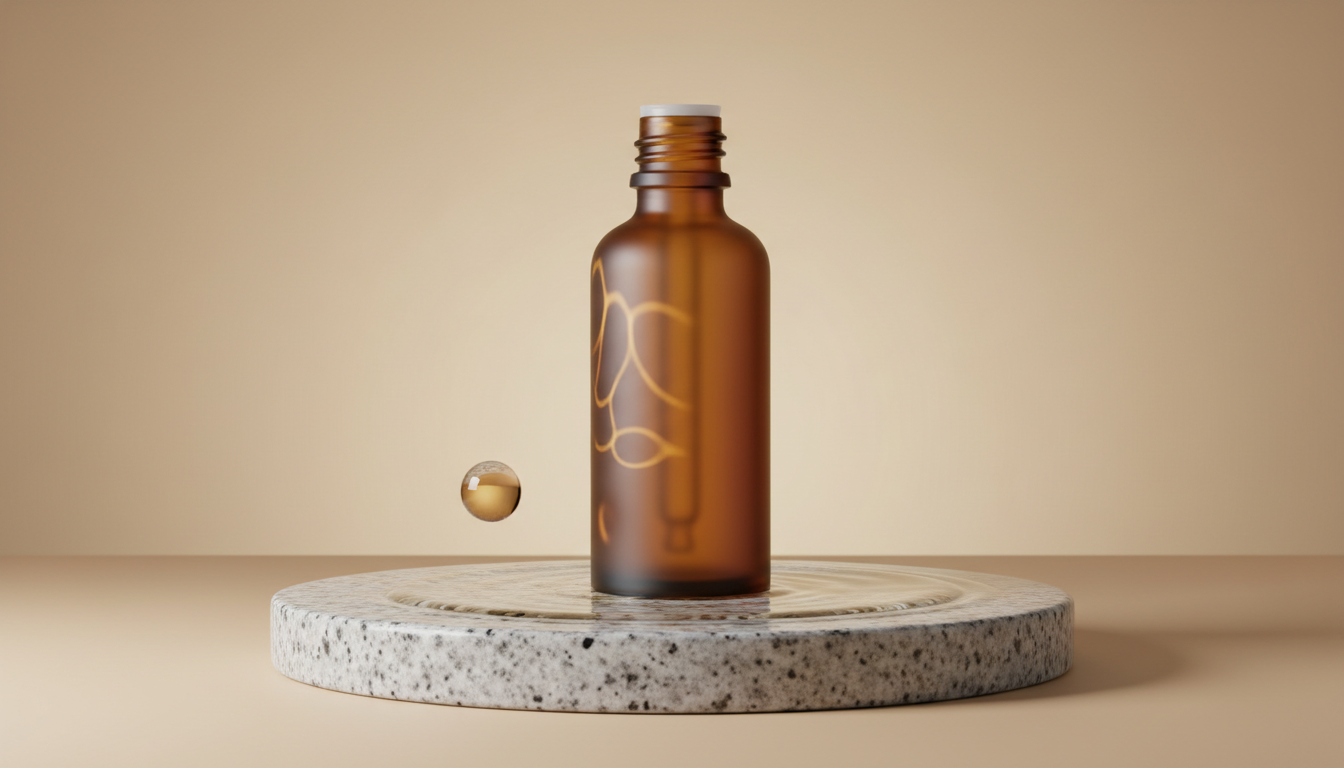
Creating commercial-grade skincare and cosmetic videos has always been a high-stakes discipline, demanding meticulous control over light, glass, and liquid physics. In the traditional studio, capturing the perfect curl of a thick face cream or the high-speed splash of a hydrating toner requires specialized macro lenses, high-speed phantom cameras, and hours of cosmetic styling. As AI-powered filmmaking tools enter the production pipeline, many creators expect to replicate these luxury aesthetics with simple text prompts, only to find their outputs plagued by flat, synthetic textures and melting packaging.
At Montagea, we believe that professional AI video production requires moving past generic buzzwords like "photorealistic" or "ultra-detailed." To achieve true luxury cosmetics realism, you must speak the language of physical science. The Micro-Fluidics Protocol provides a structured, technical framework for prompting specific liquid states, surface behaviors, and high-end studio lighting setups, turning chaotic AI generations into precise, commercially viable brand assets.
The Challenge of Cosmetic Realism in AI Video
Luxury skincare brands sell more than just ingredients; they sell an aspirational sensory experience. The visual language of this market relies entirely on micro-details: the delicate translucency of a hyaluronic acid serum, the weighted, slow-yielding dollop of an overnight cream, and the sharp, pristine light refractions passing through thick-walled glass bottles. When these physical cues are slightly off, our brains immediately register the image as cheap or fake.
This is the "plastic trap" of AI video generation. Standard text-to-video models are trained on vast datasets of generic web images. When prompted with vague terms like "luxury skincare bottle, water splash, realistic," the AI defaults to a highly compressed, stylized average. The result is often a flat, synthetic-looking product wrapped in a chaotic, low-viscosity liquid that behaves more like liquid plastic than premium cosmetic oil.
To bridge this gap, Montagea’s approach to AI filmmaking prioritizes precise technical control over random generation. Instead of letting the AI guess the physical properties of your scene, the Micro-Fluidics Protocol enforces boundaries on material density, light behavior, and surface interaction. By treating the AI generator as a physical simulation space rather than an art generator, creators can maintain the rigorous aesthetic standards required by high-end beauty brands.
Prompting Fluid Physics: Viscosity, Surface Tension, and Splashes
Liquids do not behave uniformly, yet many AI prompts treat a watery facial toner and a heavy face oil as if they share the same fluid dynamics. To prompt cosmetics accurately, you must first categorize your product into one of three core fluid states: Newtonian fluids, non-Newtonian fluids, or emulsions. Newtonian fluids, like water-based toners or essences, have a constant viscosity that splashes rapidly and breaks into clean, spherical droplets. Non-Newtonian fluids, such as honey-like serums, exhibit shear-thinning properties, stretching into long, cohesive threads before dripping. Emulsions, like rich moisturizers, are thick, opaque, and hold their shape under gravity.
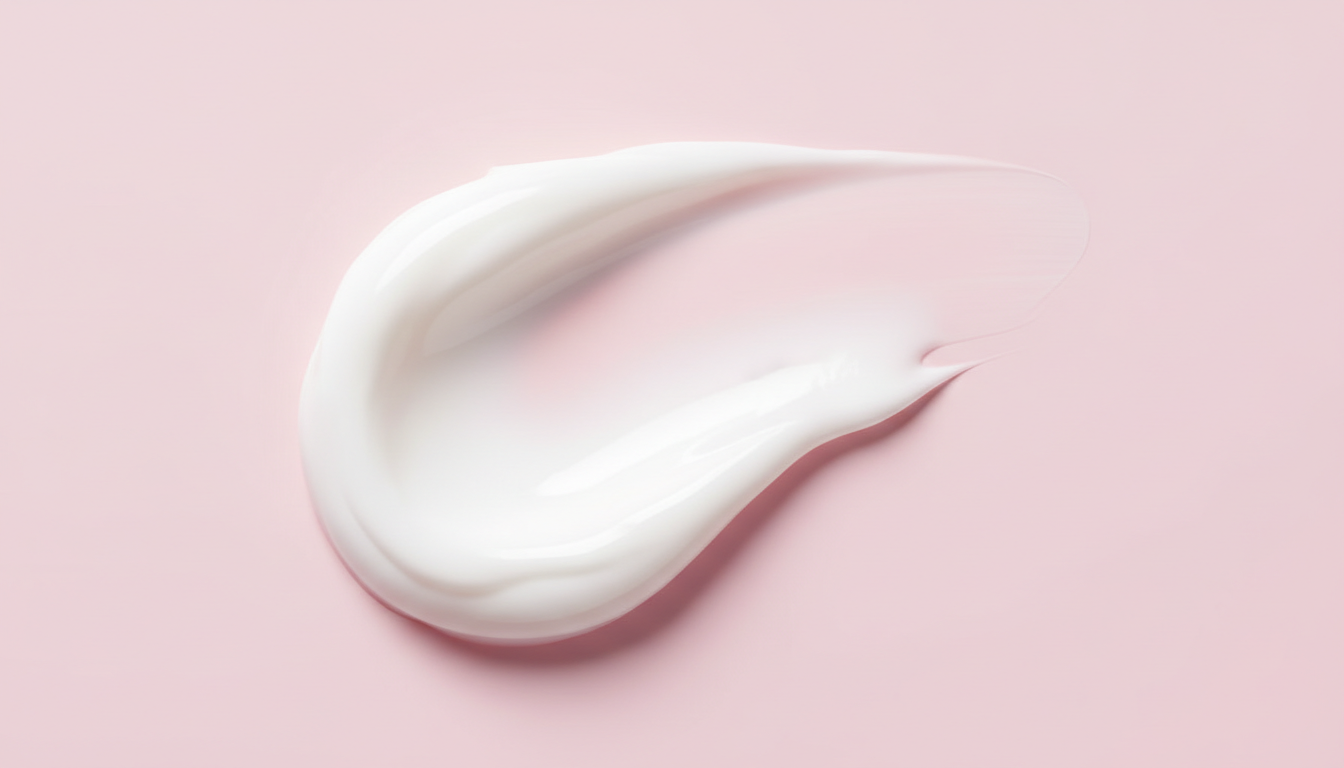
By using precise physics descriptors, you can instruct the AI to render these specific movements. Instead of "liquid splash," write "high-viscosity slow-motion flow, high surface tension, cohesive drip." This forces the model's physics engine to calculate realistic weight, preventing the liquid from breaking apart into unnatural, digitized spray.
When working with image-to-video (I2V) tools, keeping the product packaging structurally sound while generating fluid motion is a common hurdle. If you prompt a high-velocity splash without clear spatial constraints, the AI often morphs the bottle itself into liquid. For a deeper dive on controlling physical dynamics and camera motion in image-to-video workflows, explore our Kinetic Product Protocol, which details how to isolate kinetic energy to specific regions of the frame.
The Cosmetic Viscosity Prompting Matrix
To achieve consistency, we need a reliable system to translate physical cosmetic properties into prompts that AI models can interpret without hallucination.
The Texture Cheat Sheet
When building your prompt structure, avoid using qualitative adjectives like "beautiful" or "amazing." Instead, use quantitative, physical descriptors that define how the substance interacts with itself and its environment.
Below is the Cosmetic Viscosity Prompting Matrix, designed to help you select the exact syntax for your desired product type:
| Product Type | Target Viscosity | Key Prompt Modifiers | Expected Physical Behavior |
|---|---|---|---|
| Hydrating Toner / Essence | Low (Newtonian) | "Newtonian fluid, high surface tension, rapid clean splash, spherical droplets, water-like refraction, zero residue." | Fast-moving, clean separation, splashes that bounce off surfaces without sticking. |
| Facial Oil / Elixir | Medium (Shear-thinning) | "High-viscosity slow-motion flow, cohesive drip, oil-slick surface, slow-yielding golden meniscus, heavy liquid cling." | Slow, elegant dripping; liquid clings to the bottle glass before releasing. |
| Moisturizing Cream | High (Emulsion) | "Thick cosmetic emulsion, satin finish, structured peaks, non-Newtonian flow, slow-spreading dollop, opaque mass." | Holds its shape, forms soft peaks when compressed, slides slowly under gravity. |
One of the most frustrating errors in cosmetic generation is "texture collapse," where the liquid accidentally morphs into the packaging or bleeds into the background. This occurs because the AI's attention mechanism fails to separate the subject (the bottle) from the modifier (the splashing liquid). If your AI generator is blending the liquid texture into the bottle itself, apply the troubleshooting steps in our Semantic Isolation Protocol to cleanly segregate your product's structural geometry from the fluid dynamics.
Mastering Studio Lighting: Caustics, Diffusion, and Subsurface Scattering
In luxury product photography, lighting is everything. A common mistake in AI-generated cosmetic videos is relying on default lighting, which results in flat, muddy, or overly metallic finishes. To elevate your visuals, you must prompt for three critical optical phenomena: subsurface scattering, caustic refraction, and controlled diffusion.
Subsurface scattering (SSS) is the physical process where light enters a translucent medium, scatters inside it, and exits at a different point. This is what gives high-end creams, gels, and serums their luminous, organic glow. Without it, a white moisturizer looks like grey plaster, and a pink gel looks like solid plastic. In your prompt, explicitly specify: "translucent gel with subsurface scattering, soft inner glow, light-absorbent medium."
Glass containers demand equally precise optical prompting. To simulate the complex way light bends through thick glass and projects onto surrounding surfaces, use terms like "caustic light patterns," "refractive index," and "prismatic light splits." Instruct the AI to place a "soft-box diffused key light" on one side and a "high-contrast rim light" on the other to carve out the bottle's silhouette against a clean, minimalist backdrop.
To keep your lighting setups uniform across an entire commercial sequence, refer to our guide on the Luminance Coherence Protocol, which teaches you how to lock in light direction and quality across multiple generated clips.
Cinematic Camera Dynamics for Luxury Products
A static shot of a cosmetic bottle can feel sterile. To create a narrative flow that feels premium, your camera movements must work in harmony with the product's physical state. In luxury commercial production, macro sweeps and slow-motion rack focuses are the standard tools for establishing scale, highlighting fine ingredients, and drawing the viewer's eye to exquisite product details.
Instead of settling for basic panning shots, use complex camera dynamics that showcase how light plays across the shifting textures of the product. An orbit shot, for instance, allows you to capture the changing reflections on a glass bottle while a drop of oil slowly rolls down its side. Learn how to execute flawless, high-end camera sweeps by reading our breakdown on prompting cinematic 360-degree orbit shots.
When structuring your prompt, coordinate the camera speed with the liquid’s viscosity. For instance, a fast-splashing toner pairs beautifully with a "high-speed macro camera tracking shot at 120fps," while a thick cream demands a "slow, sweeping crane down with a shallow depth of field." By aligning the kinetic energy of the camera with the physical behavior of the fluid, you avoid the visual distortions and warping that occur when an AI model tries to render mismatched physical motions.
How do I stop my skincare bottle from melting or morphing when prompting liquid splashes?
To prevent the product packaging from melting, use an Image-to-Video (I2V) workflow rather than generating from pure text. Keep the initial image of the bottle pristine, and use a dynamic prompt that specifies the liquid as a separate layer. Incorporating structural isolation terms or using structural masks in advanced AI tools helps lock the bottle's geometry while allowing only the fluid elements to move.
What are the best prompt words for realistic, translucent serum textures in AI video?
The most effective terms are "subsurface scattering," "viscous non-Newtonian flow," "cohesive liquid meniscus," "translucent gel," and "light-absorbent medium." Avoid generic words like "clear liquid" and focus on physical behaviors like how the serum clings to a glass dropper or flows with slow, weighted resistance.
How can I prompt studio-quality lighting for glass cosmetic bottles?
Specify the exact lighting setup in your prompt using professional photography terms. Use phrases like "soft-box diffused side-lighting," "high-contrast rim light to define edges," "caustic light refractions," and "prismatic light splits through thick-walled glass." This guides the AI to calculate realistic shadows and light paths instead of generating flat, synthetic reflections.
Which AI video generators perform best for high-fidelity product physics?
Advanced physics-capable models like Kling AI, Luma Dream Machine, and Runway Gen-3 Alpha currently lead the industry in handling fluid dynamics and complex glass refractions. When paired with high-quality source images, these platforms excel at maintaining product structure while simulating realistic liquid splashes and pours.