WaveSpeed vs Runway: Comparing Approaches to AI Video Production
Choosing between different AI video platforms depends on whether you need high-throughput generation or manual creative control. We break down the trade-offs for your video production workflow.
The choice between different AI video platforms—ranging from high-speed engines to comprehensive creative suites—often comes down to your primary production bottleneck: whether you need high-volume, automated generation or granular, frame-by-frame creative control. Some platforms are designed to function as high-speed engines for automated pipelines, while others focus on providing a suite of manual tools for filmmakers and editors. If your workflow requires the flexibility to swap between the best-available models without being locked into one vendor's ecosystem, you may want to consider a multi-model orchestration platform like Montagea.
The Core Distinction: Raw Rendering Speed vs. Creative Control Suites
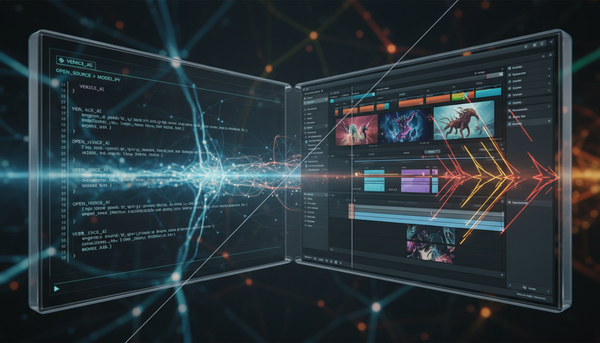
An engine-focused platform typically prioritizes low latency and high-throughput API integrations, making it a common choice for teams building custom automation or handling bulk video tasks. This approach focuses on rapid generation rather than detailed timeline manipulation. In contrast, a creative workspace platform is designed to offer a broader set of manual editing features and camera controls to allow for artistic direction within the platform.
If your team is managing a high-volume pipeline where consistency and speed are the top priorities, an engine-focused workflow is often a pragmatic choice. However, if your production demands significant post-production adjustments, a creative suite workflow may be more suitable. To see how other tools compare, explore our curated guide to the best Runway alternatives for professional pipelines.
Feature Comparison: Editing Tools, API Workflows, and Video Quality
The following table outlines the general differences between an engine-focused approach and a creative suite approach.
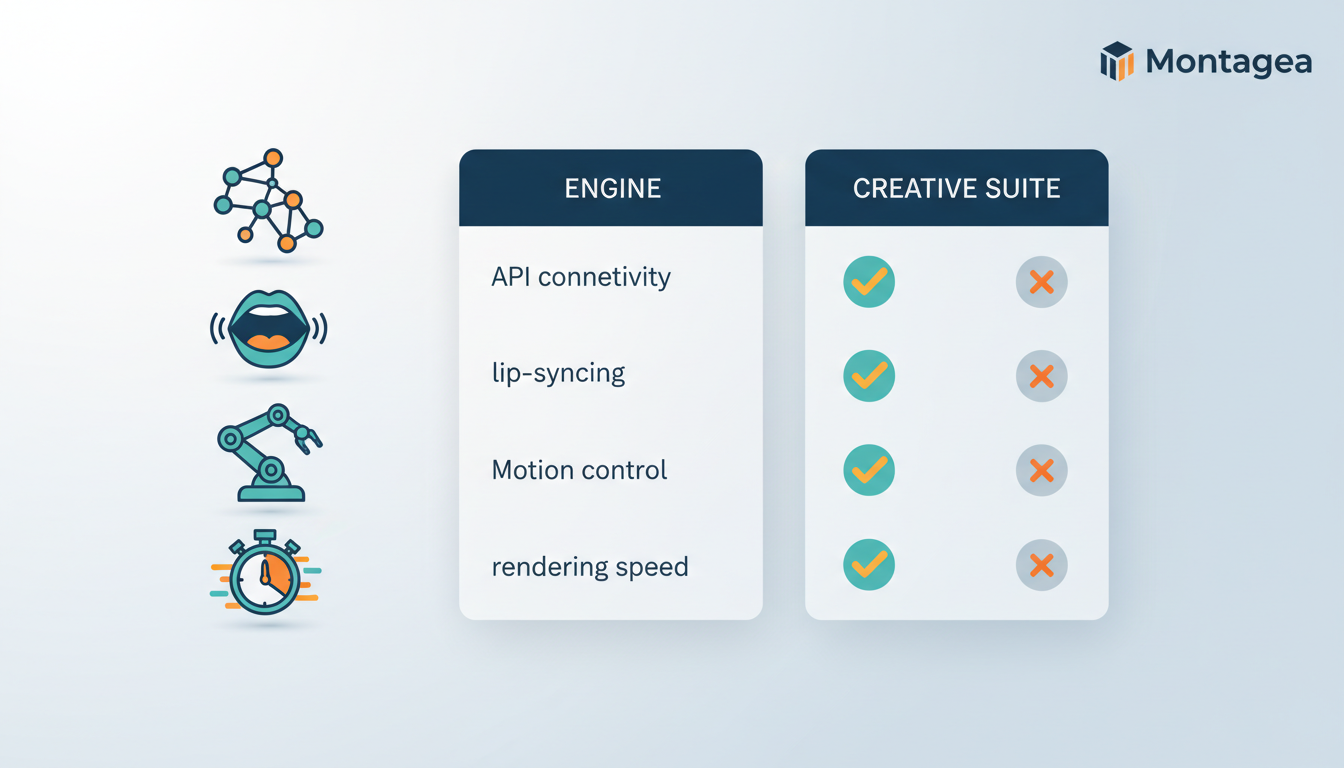
| Feature | Engine-Focused Approach | Creative Suite Approach |
|---|---|---|
| Primary Focus | High-volume generation | Creative editing |
| Editing Tools | Basic generation controls | Manual editing features |
| API Access | Developer-centric integration | Platform-centric access |
| Workflow | Automated pipelines | Manual canvas and timeline |
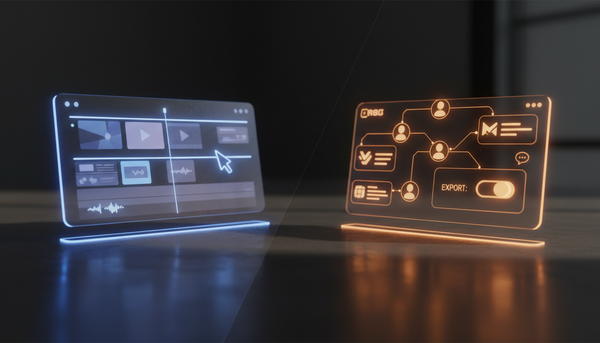
While an engine-focused approach excels in rapid, automated iteration, a creative suite provides a more tactile experience for creators. The choice often depends on whether your pipeline is currently bottlenecked by the time it takes to generate variations or the time it takes to manually refine each shot.
Pricing and Pipeline Costs: Credits vs. Render Time
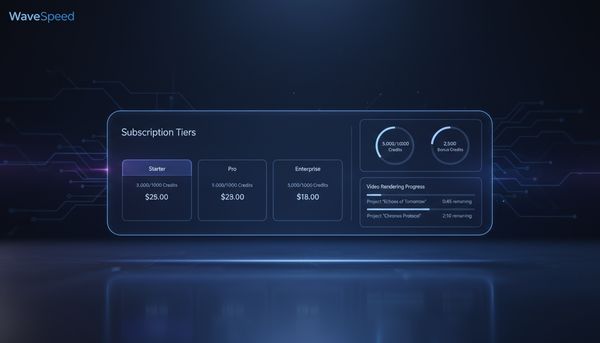
Cost calculation is critical when scaling AI video production. Credit-based systems can become expensive as you move toward higher resolutions and more complex models, whereas high-volume pricing models generally favor users who need predictable costs for continuous, large-scale rendering. For a deeper analysis of these costs, refer to our detailed breakdown of WaveSpeed pricing and real-world production costs.
The Orchestration Alternative: Why Choose Between Single-Model Suites?
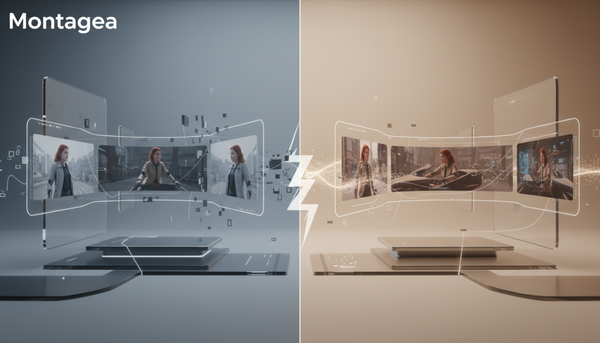
Many production teams find themselves trapped between the rigid ecosystems of single-model providers. Choosing between different platforms often forces a compromise between raw engine speed and artistic feature depth. Montagea addresses this by acting as a multi-model orchestration agent, Gigi, which automatically selects the most effective model—such as Kling, Veo, or Hailuo—based on the specific requirements of each shot.
By using an orchestration layer, teams can leverage the strengths of multiple specialized engines without maintaining individual subscriptions or building custom API integrations for every new model release. To see how this approach handles different production needs, read our comparison of Runway vs Montagea to see how multi-model orchestration differs from a single-model suite.
Can different AI video platforms be used together in the same production pipeline?
Yes. Many teams use high-speed generation engines for initial batch creation and then export those assets into creative suites for manual post-production refinements and editing. However, this workflow often requires manual file management or custom scripts to bridge the different ecosystems.
How do different AI video platforms handle character consistency across multiple scenes?
Platforms with dedicated creative suites often focus on providing built-in tools for character consistency and motion control, which are helpful for narrative filmmaking. Conversely, high-throughput engines are typically optimized for generating bulk variations where speed is prioritized over fine-grained consistency controls.
How do pricing structures typically differ between AI video platforms?
Pricing models vary widely. Some platforms offer credit-based free tiers suitable for individual creators, while others structure their pricing for enterprise or high-volume usage, focusing on predictable costs for continuous rendering.