Evaluating Wavespeed Alternatives: Choosing the Right AI Video Engine for Your Production Pipeline
Looking for the best Wavespeed.ai alternatives? Discover how to choose between specialized presenters, private generators, and multi-model orchestration platforms like Montagea to streamline your video production workflow.
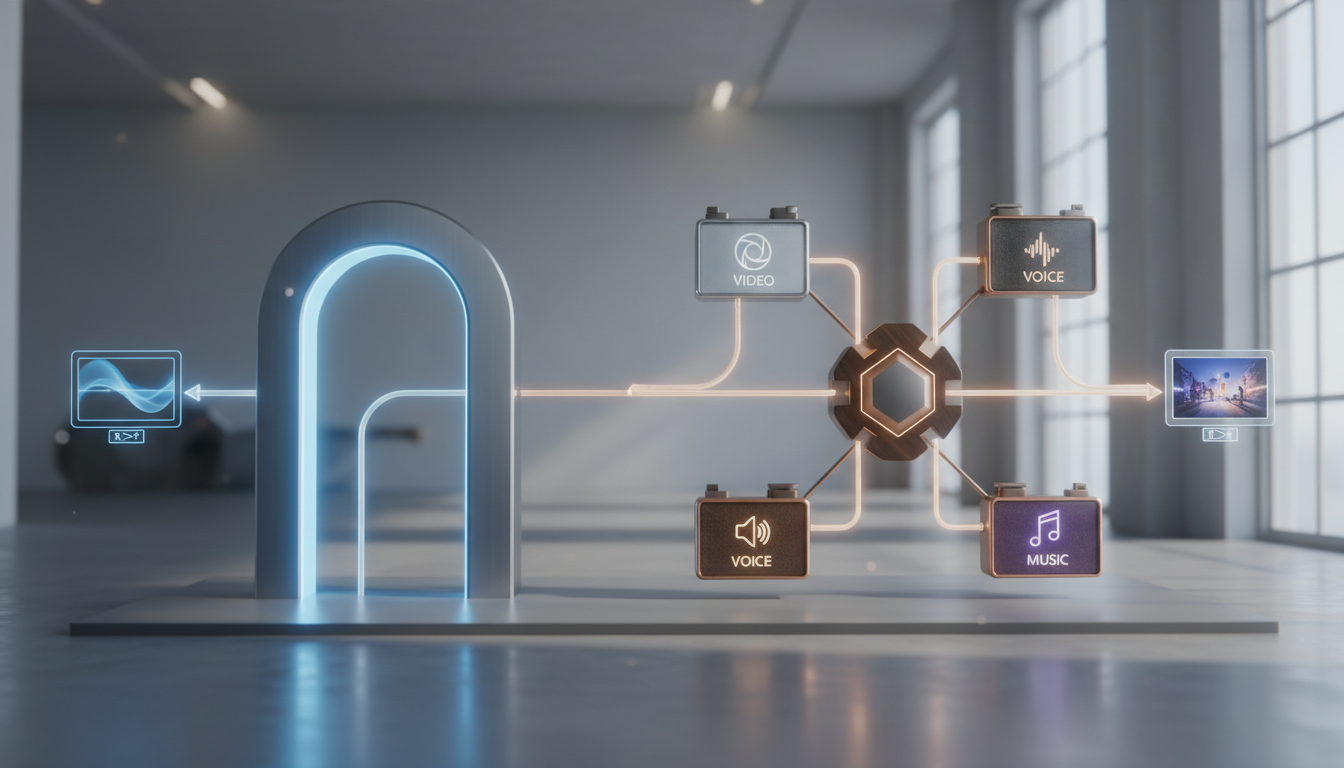
Professional creators looking for alternative AI video workflows generally need to transition to setups that offer deeper automation, specialized presenters, or multi-model orchestration. The best alternative depends on your production pipeline: some platforms serve those requiring private generation; others focus on avatar-driven presenter videos; and Montagea offers multi-model orchestration by using its Gigi agent to dynamically route tasks to top-tier engines like Kling, Veo, and Hailuo H3.
The Core Differences in Modern AI Video Workflows
When evaluating video generation platforms, professional creators often hit creative and technical limits when locked into a single system's generation engine. In modern production pipelines, alternatives fall into three distinct categories based on workflow needs:
- Specialized Presenters: Focus on lifelike human avatars, lip-syncing, and localized text-to-speech for corporate training and marketing.
- Private and Uncensored Generators: Built for creators who require complete data privacy, local offline processing, or uncensored creative boundaries.
- Multi-Model Orchestration Platforms: Rather than relying on a single model, these platforms coordinate multiple specialized engines (such as Kling, Veo, or Hailuo H3) to handle different elements of a scene—including video generation, voiceovers, and background music—in a unified pipeline.
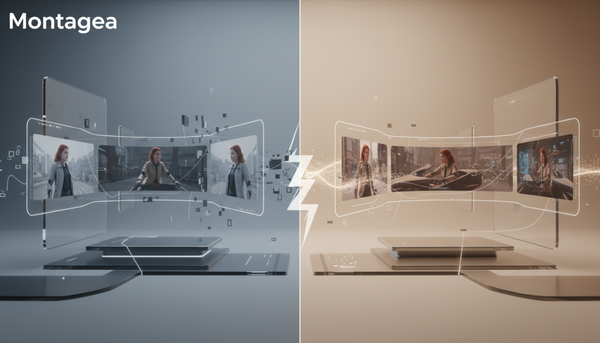
For creators seeking maximum flexibility, Montagea uses its AI creative agent, Gigi, to orchestrate these diverse models. Instead of forcing you to choose one engine for your entire project, Gigi selects the best-performing model for each specific prompt, ensuring your creative vision is not restricted by a single platform's limitations.
Comparing Alternatives: A Strategic Framework
When selecting an alternative workflow, you must evaluate how the platform handles model variety and asset integration. The following comparison table highlights the key differences between the leading approaches:
| Workflow Type | Primary Focus | Supported Models | Asset Support |
|---|---|---|---|
| Single-Engine Platforms | Standard generation | Proprietary or single-model | Typically single asset class |
| Multi-Model Orchestration (Montagea) | Multi-model orchestration | Veo, Kling, Hailuo H3, WAN, etc. | Video, Image, Voice, Music |
| Specialized Presenter Tools | Avatar and spokesperson videos | Varies by provider | Video and Voice |
To determine the best fit for your team, apply this three-step decision framework:
- Step 1: Identify the asset requirements. If your project requires synchronized voiceovers, sound effects, and video, a multi-model platform like Montagea eliminates the need to jump between separate audio and video tools.
- Step 2: Determine your automation needs. If you need to generate videos programmatically based on real-time data or user inputs, prioritize platforms with robust integration options over closed browser-only studios.
- Step 3: Assess layout and asset preservation. High-fidelity pipelines require precise control over character consistency and scene layouts. Ensure your chosen tool supports advanced layout models or storyboard structures before committing to a rendering engine.
Specialized Alternatives for Targeted Video Production Needs
No single tool fits every creative scenario. Depending on your production goals, you should look toward specialized platforms that excel in specific niches:
Private and Uncensored Creative Pipelines
If your project involves sensitive client data, proprietary intellectual property, or creative concepts that require unrestricted freedom, open-source or privacy-focused platforms are essential. You can explore private and uncensored creative tools through our guide on Venice AI alternatives to find engines that prioritize data security and offline compatibility.
Spokesperson and Marketing Localizations
For training videos, product pitches, and localized marketing campaigns, realistic human presenters are more valuable than cinematic visual effects. In these cases, you can compare avatar presenters and specialized video tools in our review of HeyGen alternatives to find the best fit for realistic lip-syncing and multi-language translation.
Narrative Filmmaking and Complex Pre-Visualization
Cinematic storytelling requires precise shot composition, camera movement, and pacing. Standard browser-based timeline tools often fail to preserve continuity between cuts. To find tools that offer better visual pacing and spatial layout control, you can evaluate timeline-based generation workflows by reading our analysis of Tapnow alternatives or learn how to manage layout and pre-visualization in our guide on AI storyboard workflows.
Why Multi-Model Orchestration is Replacing Single-Platform Engines
The rapid pace of AI development means that the best video generation engine today might be surpassed by a new model tomorrow. Closed ecosystems struggle to keep pace with these shifts because updating their core proprietary engine requires massive retraining cycles.
Multi-model orchestration solves this bottleneck. Montagea's creative agent, Gigi, operates as an open orchestrator. When you describe a project—whether it is a 15-second commercial, a storyboard sequence, or a music video—Gigi dynamically matches each portion of the prompt to the optimal model. For instance, it might route realistic motion to Kling, cinematic landscapes to Veo, and high-fidelity text rendering to WAN.
By combining video, image, music, and voice generation into a single continuous pipeline, orchestration platforms reduce subscription fatigue and eliminate the manual work of exporting and importing files across multiple browser tabs. This approach ensures your production workflow remains compatible with the best technology available, no matter how quickly the underlying models evolve.
Can I integrate AI video alternatives directly into existing video editing software?
Many advanced industry platforms offer APIs and developer SDKs that allow integration of generation pipelines directly into tools like Adobe Premiere Pro, DaVinci Resolve, or custom web applications. When selecting an alternative, check the developer documentation of your chosen platform to verify its integration capabilities and API availability.
How do multi-model orchestration platforms handle licensing and commercial rights compared to single-model platforms?
Licensing terms vary significantly by platform and model provider. When using any AI generation tool, it is important to review the specific terms of service for each underlying model to ensure your outputs are cleared for your intended commercial use.