Video Translation vs. AI Avatar Presenters: Choosing the Right Production Workflow
Deciding between video translation and avatar generation depends on your production starting point. Choose a translation workflow to localize existing footage, or an avatar platform to build virtual presentations from text scripts.
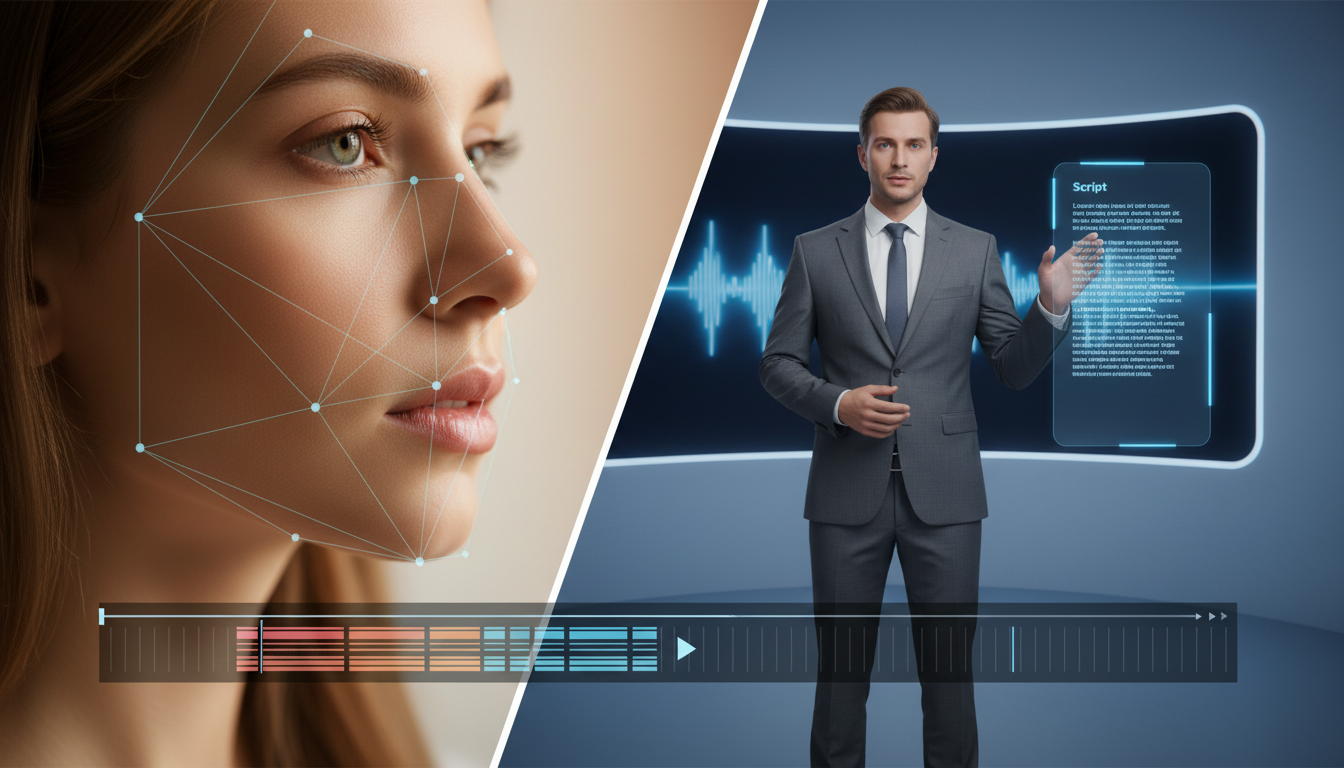
Video translation and avatar generation serve completely different phases of the video production pipeline. A translation-focused workflow is typically chosen when you have pre-recorded footage that needs localization and lip-syncing for international audiences. An avatar-generation workflow is generally selected when you need to produce talking-head presenters from text scripts without filming real actors.
The Core Difference: Localizing Existing Footage vs. Generating Virtual Presenters
The fundamental divide between these workflows lies in your starting material. Video translation tools are designed for localizing existing assets. This process typically involves taking a fully produced video and translating the dialogue into target languages, with some platforms attempting to clone the speaker's voice and adjust lip movements to match. This approach does not generate new human characters from text prompts.
In contrast, text-to-speech avatar platforms often utilize synthetic voices or voice clones to read text-based scripts. This setup is often used to streamline the production of training videos, product walkthroughs, and presentations without requiring a traditional camera-and-actor setup.
While avatar generation is highly useful for creating talking heads from scratch, it may not be the optimal fit if your goal is to localize cinematic, multi-actor footage. For creators looking at the broader landscape of virtual presenters, exploring alternative AI avatar and video tools can help clarify which platforms specialize in synthetic generation versus direct video editing.
Feature Comparison: Lip-Sync Accuracy, Voice Cloning, and Avatars
When comparing these platforms, the choice comes down to technical execution across three primary areas: lip-syncing, voice cloning, and asset generation.
Lip-Sync Capabilities
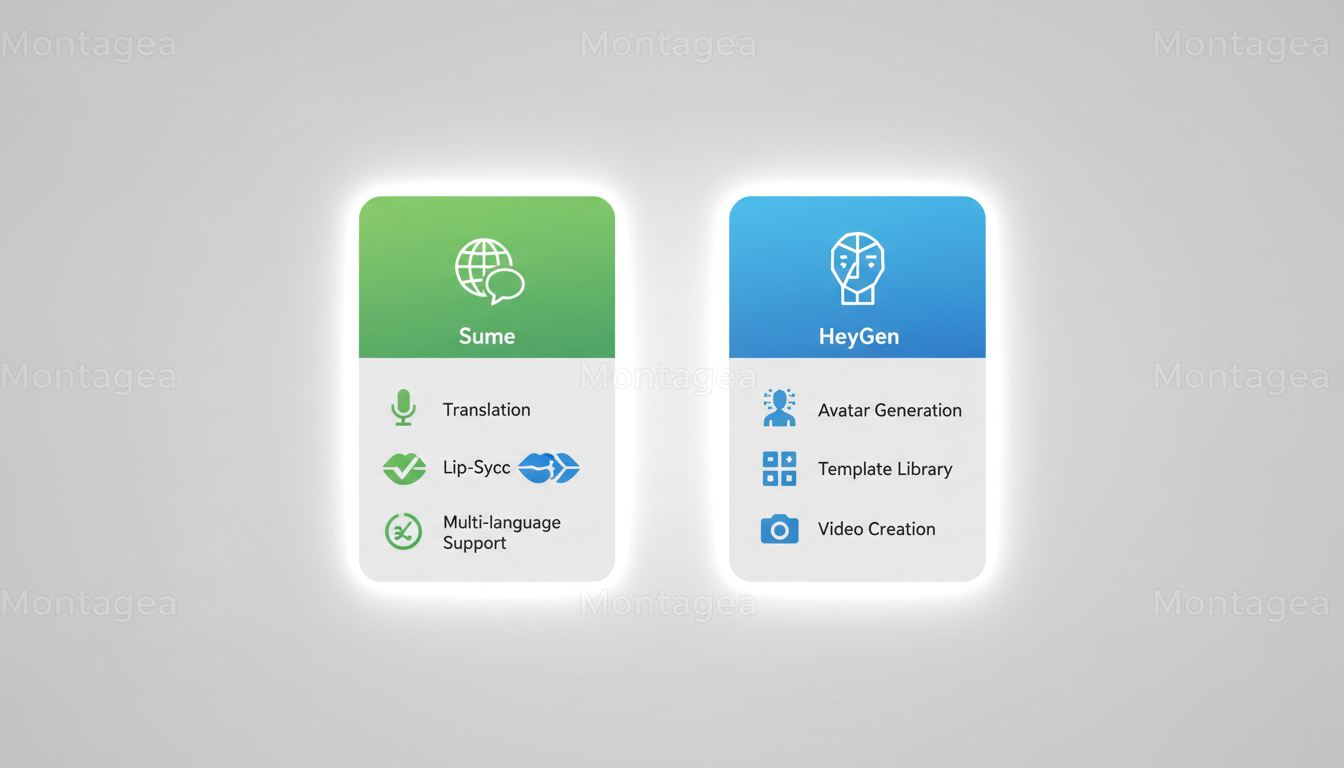
Dedicated video translation tools typically focus on modifying the mouth region of an existing speaker to align with translated audio while attempting to maintain the surrounding environment and lighting. Conversely, avatar platforms map mouth movements directly onto synthetic characters. Some avatar platforms may also offer standalone lip-sync features, but their primary optimization is often centered on their native virtual presenters.
Voice Cloning
In translation workflows, the goal is often to preserve the emotional inflection, tone, and pacing of the original actor across multiple target languages. In contrast, text-to-speech avatar platforms often utilize synthetic voices or voice clones to read text-based scripts.
Asset Generation
Avatar platforms frequently include a suite of stock avatars, custom avatar creation tools, and pre-built video templates to construct a complete layout in a browser. Video translation tools, by contrast, generally feature a streamlined interface designed for uploading existing files, selecting target languages, and downloading the localized output.
| Feature | Translation Workflow | Avatar Workflow |
|---|---|---|
| Primary Input | Pre-recorded video files | Text scripts, templates, or images |
| Primary Output | Translated video with lip-sync | Avatar presentation videos |
| Voice Cloning | Clones original actor's voice & tone | Synthetic voice cloning from text |
| Avatars | No (requires real footage) | Yes (stock and custom photorealistic) |
| Best For | Localization of existing assets | Rapid scaled content & training |
Workflow Integration: Where Multi-Model Orchestration Fits In
Specialized tools for localization or presenter generation are highly effective for their specific tasks, but they do not generate the underlying creative assets—such as cinematic b-roll, background music, or stylized visual sequences. For creators who want to build custom assets from scratch before localizing, a multi-model approach is often necessary.
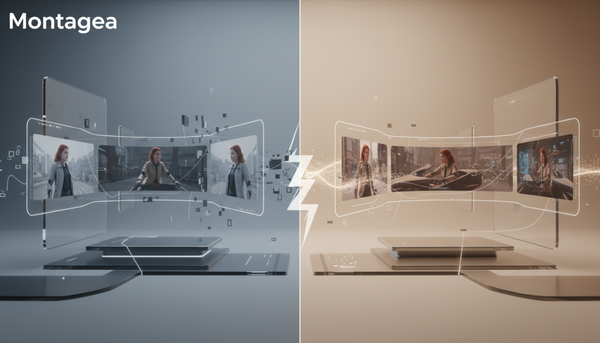
This is where Montagea provides a different perspective. Montagea acts as a comprehensive AI creative agent that orchestrates top-tier models like Kling, Veo, and Hailuo to build video, image, and music assets from scratch. Instead of managing multiple isolated subscriptions, creators can use Montagea to generate high-quality cinematic b-roll and custom music, assemble their edit, and then pass the final cut to a translation tool for localized voiceovers and lip-syncing for global distribution.
This multi-model pipeline contrast is essential when evaluating your production stack. A pure avatar-centric workflow is ideal for structured, slide-heavy corporate training but is less suited for highly stylized, cinematic, or creative projects. Exploring the strategic differences between avatar-centric platforms and multi-model production suites like Montagea helps you determine whether your creative needs require a single virtual presenter or a broader set of generative tools. For a deeper look at these two methodologies, read our guide on exploring the strategic differences between avatar-centric platforms and multi-model production suites.
Pricing, Credit Systems, and Export Settings
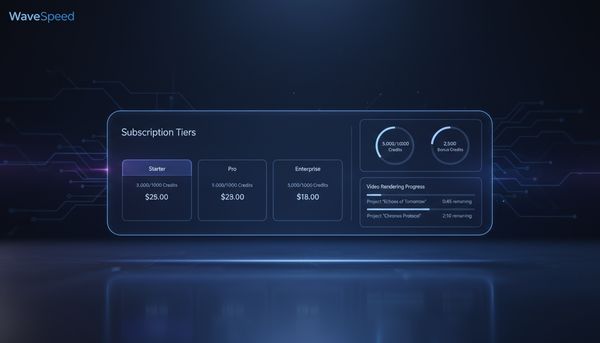
Both translation and avatar platforms often operate on consumption-based credit systems, measuring usage differently based on their primary functions.
- Translation Tools: Typically charge based on the duration of the video processed and the complexity of the translation or lip-syncing tasks. This is often optimized for teams with a fixed volume of high-value videos requiring localization.
- Avatar Platforms: Often use tier-based pricing structures where credits are spent per minute of generated video. This model can be highly cost-effective for teams generating an ongoing, high-volume stream of standardized presenter content.
When preparing your final files for distribution, pay close attention to export settings. High-quality translation tools generally aim to preserve the original resolution and frame rate of your uploaded footage, which is critical for maintaining quality. Whether you are exporting localized content or synthetic presentations, ensuring your file settings match your target platform is vital. For those publishing to social media or video platforms, referencing our technical export guide for optimizing video size and upload settings will help ensure your files maintain maximum visual clarity without running into upload errors.
The Decision Framework
To choose the right tool for your project, apply this simple decision framework:
- Choose a translation tool if: You already have high-quality, pre-recorded video assets (such as ads, tutorials, or films) and need to translate them into multiple languages while keeping the original actors' voices and natural mouth movements.
- Choose an avatar platform if: You do not want to film real talent, have a script ready, and need to rapidly produce standard talking-head videos, educational content, or corporate presentations using virtual avatars.
Can video translation tools generate virtual AI presenters from text scripts?
Generally, no. Dedicated video translation and localization tools require you to upload an existing video file with a real speaker. They then translate the audio and attempt to lip-sync the original speaker to match the new language. If you need to generate a presenter from a text script without pre-recorded footage, an avatar generation platform is the appropriate tool.
How does voice cloning differ between translation and avatar platforms?
Translation platforms typically focus on maintaining the tone of the original speaker across target languages during the localization process. Avatar platforms, by contrast, often offer voice cloning options designed to read text-based scripts.
Can translation and avatar tools be used together in the same video production pipeline?
Yes. You can use an avatar platform to generate a master video in one language using a virtual presenter, and then upload that generated video into a translation tool to localize and lip-sync it into other languages if you require specialized localization capabilities. However, many avatar platforms also offer built-in multi-language translation features that may be sufficient for standard workflows.