
Evaluating Viewmax.io and Entry-Level AI Video Tools: Limitations and Professional Alternatives
While entry-level tools like Viewmax.io are often sought out for basic AI video generation, professional creators require precise control and model flexibility. Discover the limitations of basic generators and how to build a production-ready multi-model workflow.
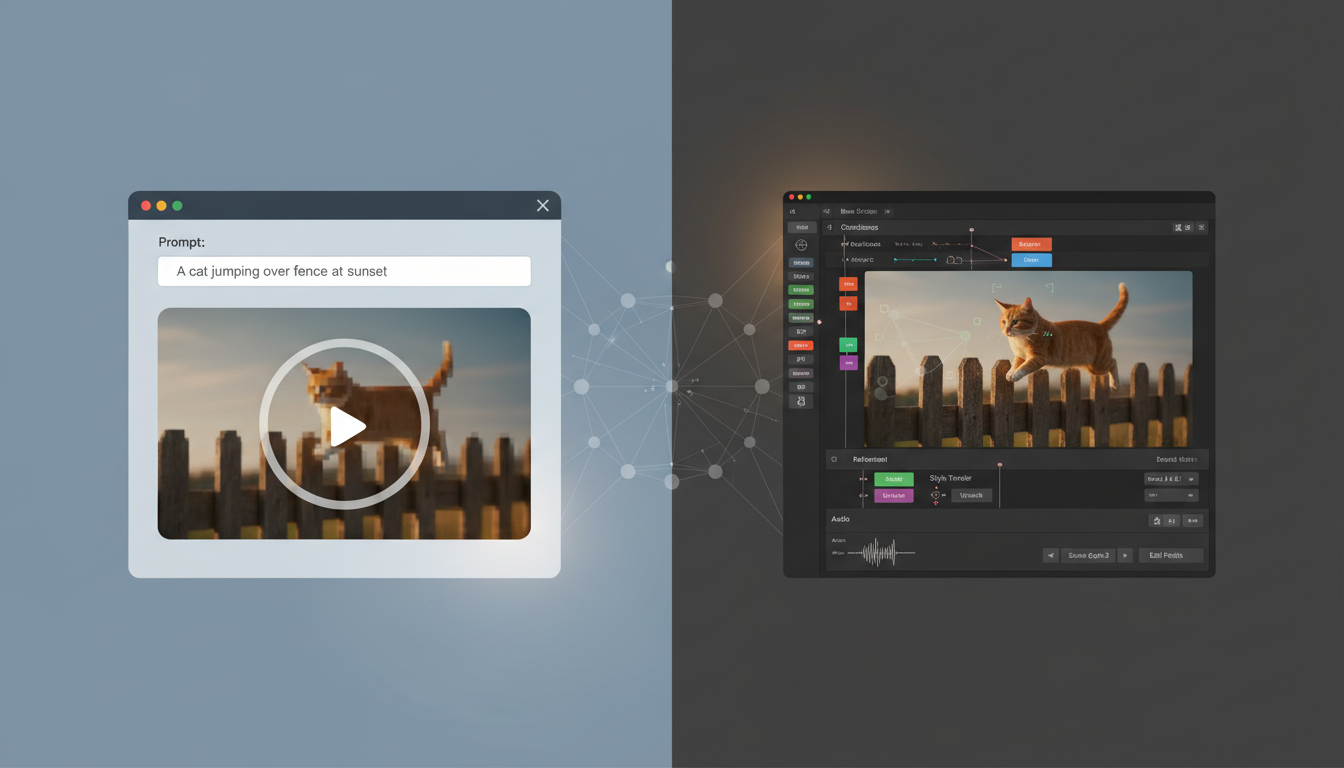
When exploring tools like Viewmax.io (sometimes searched as Viewmax Studio or viewmax.oi), creators are often looking for web-based AI video generation platforms designed for quick text-to-video and image-to-video creations. While basic tools can serve as an accessible entry point for casual creators and rapid storyboarding, they often lack the advanced camera controls, multi-model flexibility, and high-fidelity output required for professional video production. For commercial-grade pipelines, creators must transition from single-model generators to integrated multi-model workflows that coordinate top-tier engines like Kling, Veo, and WAN.
Understanding Entry-Level AI Video Tools
Search terms like Viewmax.io, Viewmax Studio, viewmax.oi, and view max .io point to the growing demand for entry-level AI video generation tools. These types of platforms typically operate through a simplified web interface where users can input text prompts or upload static images to generate short video clips. Many basic generators feature style presets (such as cinematic, 3D, and anime) designed to help users bypass complex prompting, though these presets can limit creative customization.
The target audience for basic web-based generators consists mainly of social media managers, casual content creators, and hobbyists. These tools can be highly effective for rapid prototyping, allowing storyboarders to quickly visualize concepts without committing significant rendering time or budget. However, a simple, single-model framework is rarely built to support the rigorous demands of professional filmmaking or high-end commercial ad campaigns.
The Production Limitations of Basic AI Video Tools
When transitioning from casual creation to professional video production, the limitations of basic, single-tool platforms become apparent. Professional editors and filmmakers face three primary bottlenecks when attempting to use entry-level generators for high-quality projects:
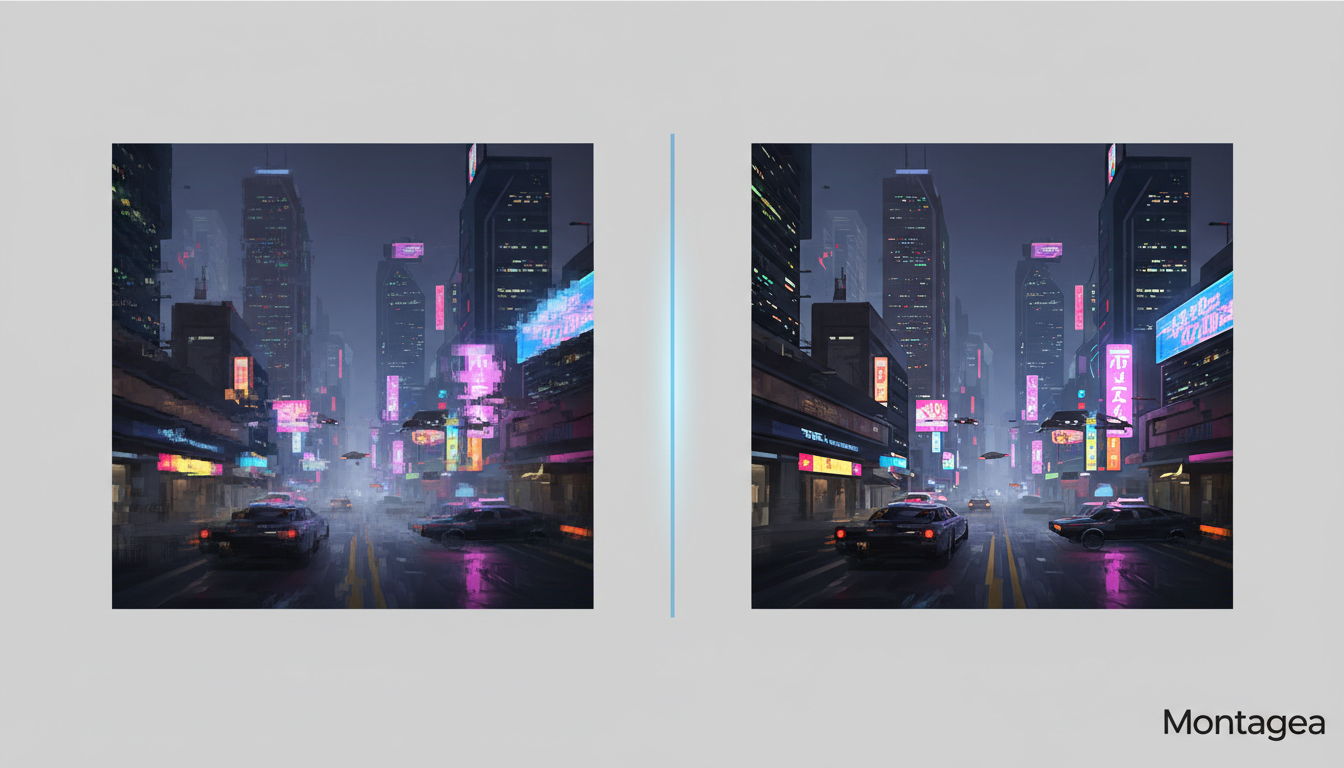
- Lack of Camera and Motion Control: Basic platforms often offer limited control over camera dynamics. Professional scenes often require precise pan speeds, subtle crane movements, or specific focal length transitions. Relying on simple presets often results in erratic or overly dramatic camera sweeps that look amateurish.
- Character Consistency Challenges: Maintaining a character's facial features, clothing, and proportions across multiple generated clips is notoriously difficult. Without advanced conditioning tools, characters tend to drift in appearance from shot to shot, breaking narrative continuity.
- Compositing and Artifacting: Basic generations frequently suffer from low resolution, compression artifacts, and messy edge rendering. To make these clips usable in a professional editing suite, creators must invest significant time post-processing. For example, editors often need to learn how to remove video backgrounds and clean up edges for clean compositing before layering AI assets over clean plates or 3D environments.
Transitioning to a Professional AI Video Workflow
To overcome these limitations, professional creators must move away from relying on a single web-based generator and adopt a structured, multi-step production pipeline. This transition involves three key phases:
Step 1: Asset Generation
High-quality video requires a high-quality starting point. Instead of typing generic text prompts directly into a video generator, start by establishing a clean, high-resolution keyframe. You can achieve this by using an AI image prompt generator to build production-ready assets. This ensures that the composition, lighting, and character details are locked in before any motion is applied.
Step 2: Model Selection
No single AI model excels at every task. A model that generates highly realistic human motion might struggle with complex fluid dynamics or abstract styling. A professional workflow selects specialized models based on the shot requirements—using Kling for physical realism, Veo for cinematic landscapes, or WAN for stylized graphics.
Step 3: Post-Production and Effects
The raw output from an AI generator is rarely the final cut. Professional pipelines utilize advanced post-production techniques to blend clips, grade colors, and apply stylized effects. This is particularly important when generating advanced visual styles and psychedelic video effects, where precise control over color mapping and frame blending is required to match a specific creative vision.
How Montagea Solves the Single-Model Bottleneck
Montagea redefines the AI video production pipeline by moving away from isolated, single-model platforms. Instead of forcing creators to work within the constraints of one proprietary engine, Montagea introduces Gigi—an AI creative agent designed to orchestrate the entire production process.
Gigi acts as an intelligent supervisor. When you describe your project—whether it is a 15-second commercial, a music video, or a short film—Gigi plans the steps, selects the best-suited AI models (such as Kling, Veo, WAN, or Hailuo H3), and generates cohesive assets. This unified workspace handles video generation, voiceovers, and music production simultaneously, ensuring that all elements of your project align creatively.
| Feature / Capability | Basic Web-Based Generators | Montagea (Orchestrated by Gigi) |
|---|---|---|
| Model Access | Often limited to a single engine | Multi-model ecosystem (Veo, Kling, WAN, Hailuo H3, etc.) |
| Workflow Scope | Often limited to video generation only | Unified video, image, voiceover, and music pipeline |
| Creative Control | Basic style presets, limited motion settings | Advanced prompting, step-by-step planning, high-fidelity outputs |
| Target Use Case | Quick social media clips, basic storyboards | Professional filmmaking, commercial ads, coordinated video production |
Do entry-level AI video tools require a subscription?
Many web-based AI video tools operate on a freemium model or require a paid subscription for high-resolution exports and faster rendering times. It is best to check the official pricing page of any specific tool for their current tier structures.
Can I export high-definition commercial-grade video from basic AI generators?
While many basic generators support standard exports suitable for social media, they often lack the native 4K resolution, high bitrates, and raw format options required for broadcast or theatrical commercial-grade video.
How do basic AI generators handle character consistency across different scenes?
Many entry-level platforms lack dedicated character-locking or advanced reference-image tools. To maintain consistency, users must rely on highly repetitive prompting, whereas advanced platforms like Montagea coordinate specialized models to preserve character details across shots.



